High density fibreboard is manufactured by compressing wood fibres under high heat and high pressure. The result is a panel that is stronger and denser than regular MDF or particle board. The dense fibre structure gives the board superior screw-holding capability, edge strength and resistance to chipping. For contractors working on cabinetry that will be subjected to everyday wear, density immediately translates to furniture that is built to last longer without warping or cracking at the joints.
Furniture makers require uniformity in each batch they make. Engineered panels are characterised by uniform thickness, smooth surface and predictable machining behaviour, making them easier to cut, drill and edge-band at scale. Unlike actual wood that might vary from sheet to sheet in grain and moisture content, these panels behave the same from one sheet to the next. The reliability eliminates production errors and helps OEMs to keep quality standards for large orders of furniture, be it kitchens, wardrobes or office workstations.
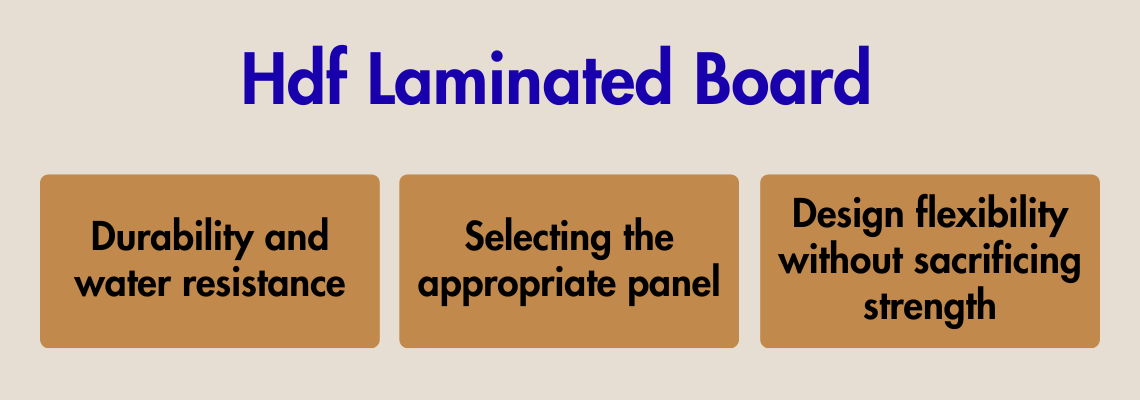
- Durability and Water Resistance: One of the main problems for Indian interiors is humidity. Furniture in kitchens, baths and coastal regions is constantly exposed to moisture which can cause standard boards to swell or delaminate over time. Panels created with the correct resin bonding and pressing technology are significantly more resistant under these conditions.
- Selecting the Appropriate Panel: Not the same specification for all projects. A higher density will be required for flooring underlays to provide load bearing strength. For wall panels a smoother surface finish may be preferred for aesthetics. Strength combined with moisture resistance is a boon for cabinetry, particularly kitchens. Before selecting a supplier, contractors should evaluate the density rating, thickness alternatives and laminate quality. Working with a manufacturer with a variety of thicknesses and finishes makes it easy to select the proper board for any aspect of a project, from structural flooring to visible cabinet fronts.
- Design flexibility without sacrificing strength: These panels not only offer performance but also versatility to designers with a selection of treatments, textures and colours. This versatility allows builders and OEMs to match customer demands for modern interiors without having to resort to more expensive materials. Regardless of the finish used, the core is sturdy, so furniture makers can offer a variety of styles that share the same structural qualities across the product line.
Choosing the correct substrate is one of the most essential decisions you will make in any furniture or interior project. For contractors and OEMs building flooring, wall panels and heavy-use cabinetry, a hdf laminated board provides the density, moisture resistance and finish quality to produce furniture that performs over years of daily use. Backed by excellent European technology, Xylosuisse panels continue to satisfy the practical requirements of India’s burgeoning furniture and interior industry, helping contractors and manufacturers continuously deliver quality work they can proudly stand behind.